Outdated city, state policies prevent attainable home ownership options
- Maggie Lyons

- Nov 20, 2025
- 3 min read
Idaho has no shortage of people who want to live here. We have a shortage of places they can afford to live. After years of working alongside cities, builders, and families across North Idaho, especially in Kootenai County, I’ve seen that our housing crisis isn’t driven by a lack of interest or investment. Rather, outdated zoning rules and regulatory red tape make starter homes and “middle housing” nearly impossible to build in our communities.
We often hear about “market failure” when it comes to housing, but what I see in Idaho, at the state level and in our cities and towns, is a policy failure. Our zoning codes no longer reflect the realities of how Idahoans live, work, and form households today.
Most communities use zoning rules created in the 1970s, an era when land was abundant, families were larger, and home prices were attainable for a single-income household. Today, most residential land is still exclusively for large lot, single-family homes. Meanwhile, land and infrastructure costs have surged, especially since COVID, and younger working families need smaller, more attainable options.
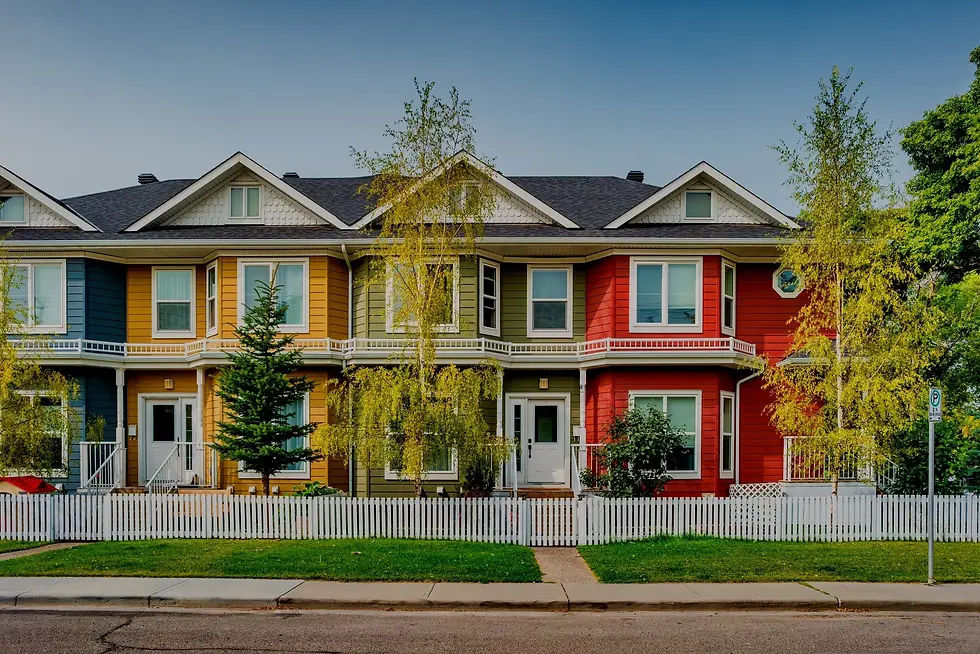
Zoning codes in communities like Rathdrum and Hayden effectively ban middle housing on 70-85% of residential land. This would include options like duplexes, triplexes, townhomes, cottage courts, and small multi-unit buildings.
Where these are technically allowed, regulatory hurdles make projects too expensive to pencil. Builders regularly face minimum lot sizes far larger than what’s functionally needed, parking requirements that inflate costs, discretionary review processes that add uncertainty, and design standards that increase expenses. In small and mid-sized cities, these layers of regulation can add years and hundreds of thousands of dollars to what should be straightforward projects.
Where I live in Kootenai County, we have the jobs, the demand, and builders ready to construct starter homes. What we lack is the permission to build the kinds of homes Idahoans can actually afford. Teachers, healthcare workers, service workers, and young families are priced out, and it’s not because developers refuse to build for them, but because our government regulations prevent it.
Middle housing enhances neighborhood character and helps us welcome new neighbors without sprawl. It’s a way to use existing infrastructure more efficiently, and support local businesses and walkability. These homes are naturally more attainable because they use land more effectively, not because they rely on government subsidies.
Gem State Housing Alliance is the first-of-its-kind housing advocacy organization in Idaho, and has a playbook ready to go to help city and state leaders update zoning regulations in order to facilitate more housing. Policies that would help include:
Reducing lot size minimums,
Allowing duplexes and fourplexes by right;
Offering flexible parking options
Establishing predictable timelines and creating clear pathways for infill housing.
Such policy changes would strengthen local control and align zoning codes with comprehensive plans and long-term community goals. Without action, we risk continuing to erode the economic vitality of our region by pricing out the next generation of hardworking families.
If we want teachers living in the towns where they teach, nurses close to our hospitals, and young families building their futures in Idaho’s growing cities and towns, zoning reform isn’t optional. It’s the surest path to a stable, more prosperous state.
Maggie Lyons is the Executive Director of the Panhandle Affordable Housing Alliance (PAHA). She is a founding board member of the Gem State Housing Alliance. She lives in Hayden Lake.